Case Orchestration
Claims Break Down After Analysis
Even when a claim is fully analyzed, execution is fragmented:
Required actions live in emails, notes, and separate systems
Follow-ups are missed or delayed because no one owns them
Statutory deadlines and response windows pass without detection
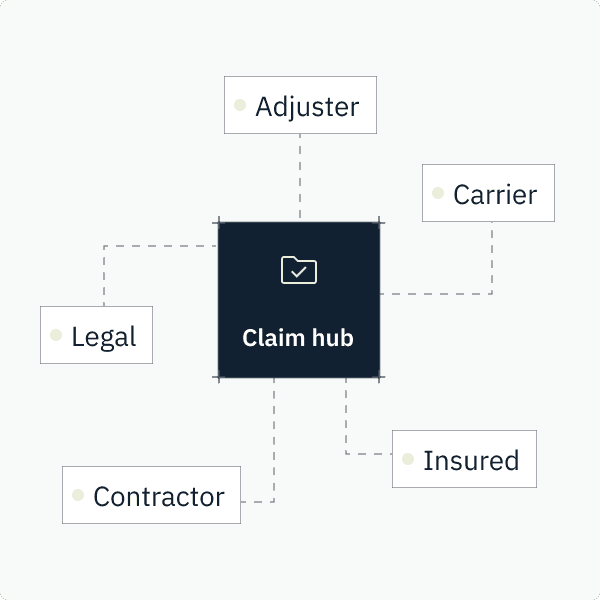
Teams operate without a unified view of what needs to happen next

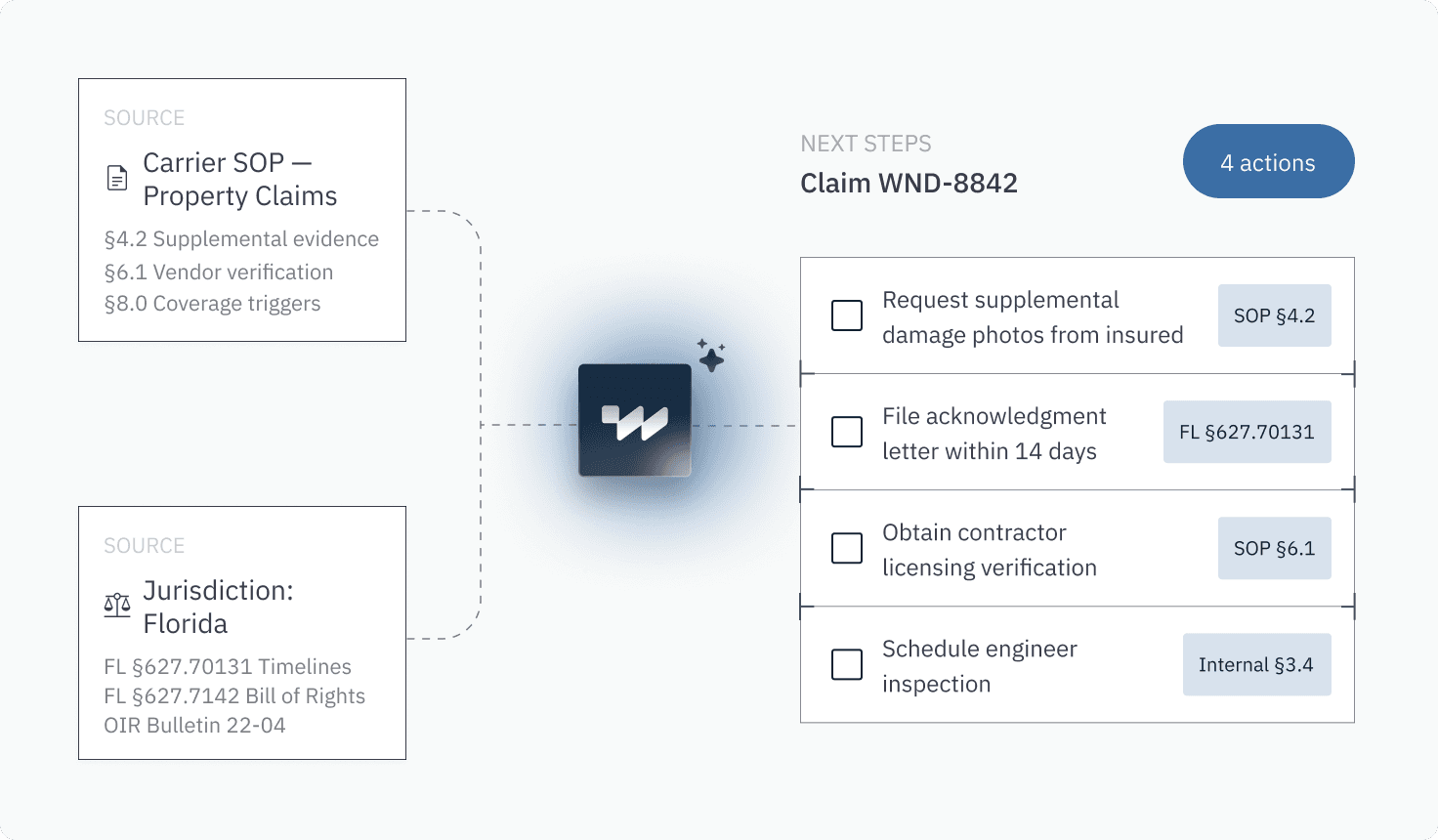
Orchestration in Practice
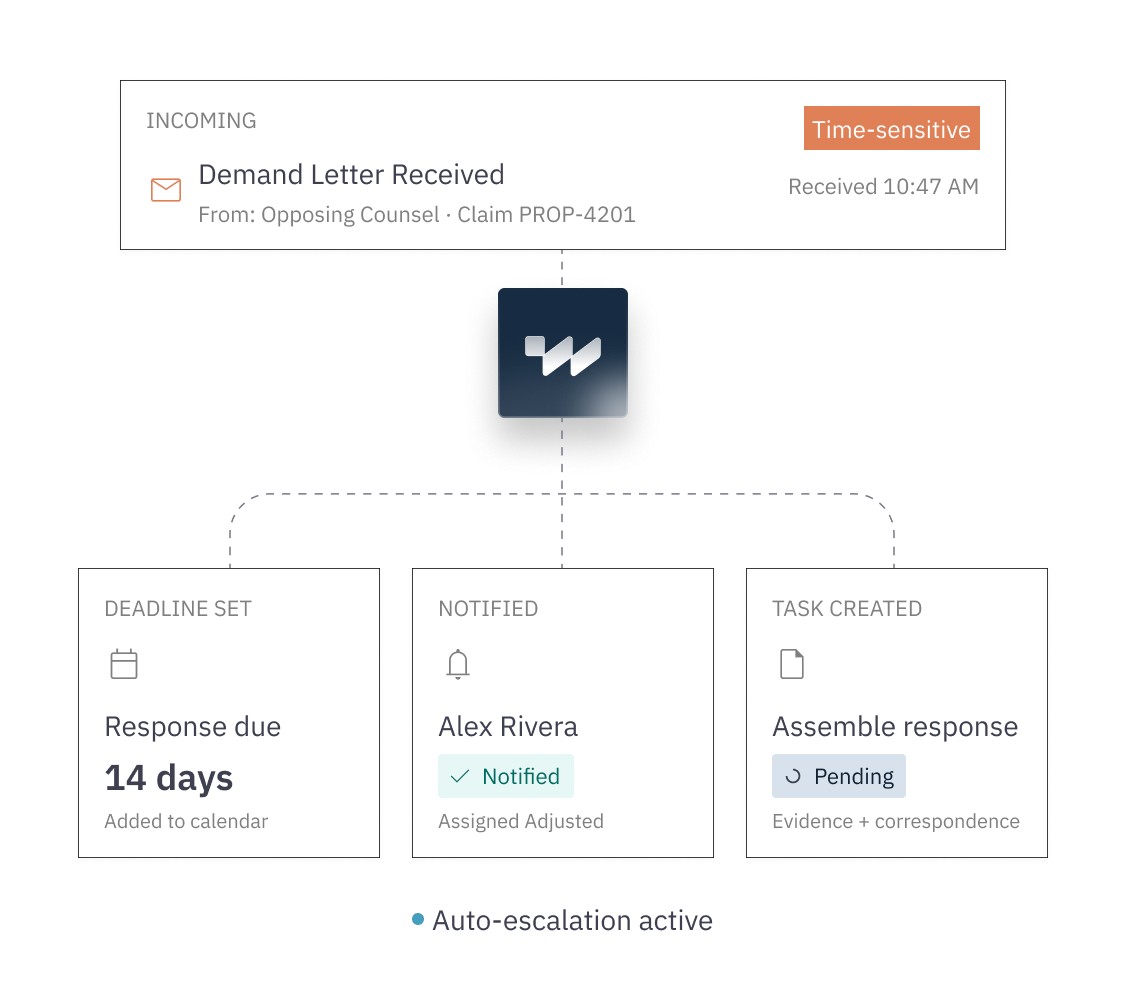
Time-Sensitive Correspondence Received
Response deadline calculated and added to calendar (applies to demand letters, discovery requests, carrier notices, or court filings)
Responsible team member or supervisor notified of time-sensitive correspondence
Document assembly task created: gather relevant evidence, supporting documents, and prior correspondence
If unreviewed after 48 hours → escalation to supervisor
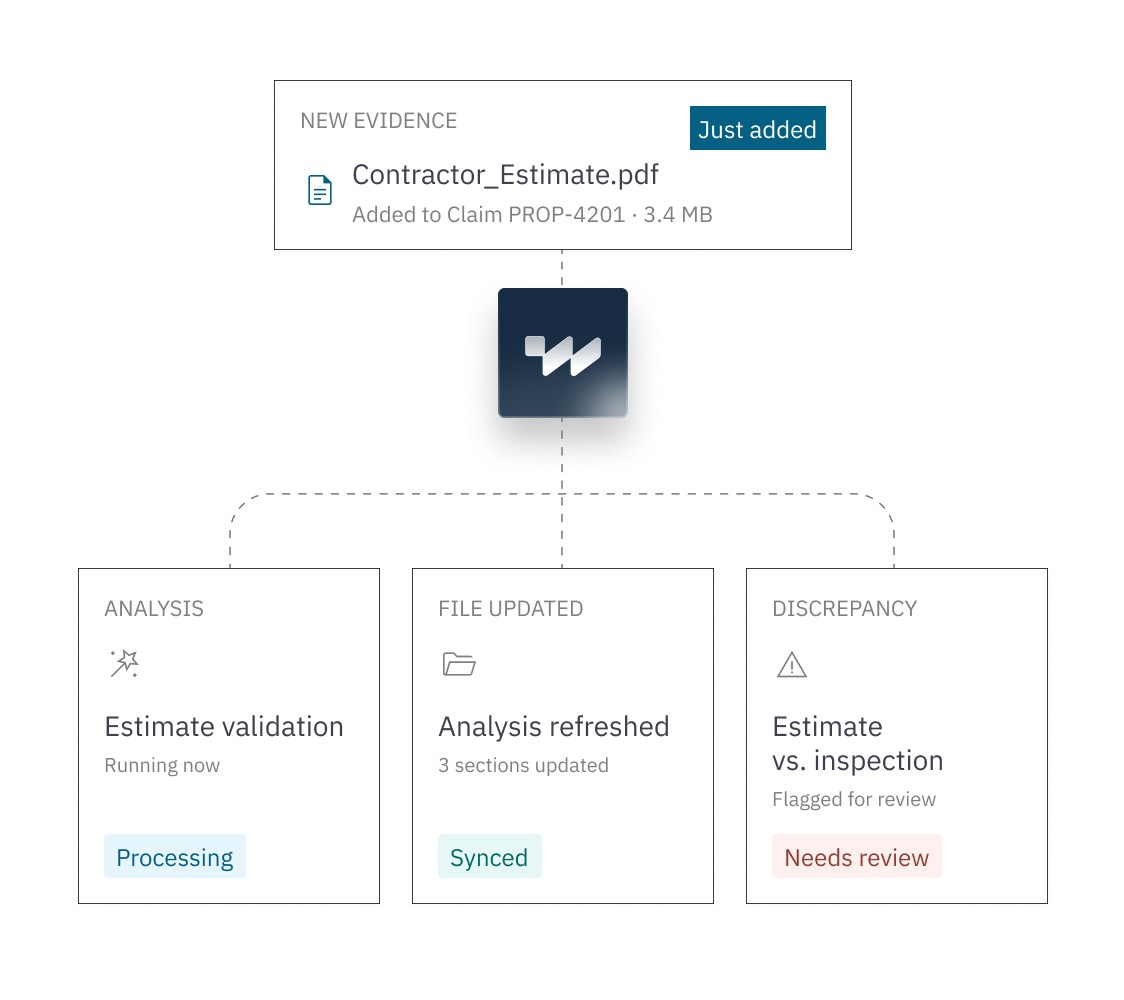
New Evidence Added to File
Related analysis tasks triggered automatically (e.g., estimate validation, medical record review, expert report assessment)
Claim analysis updated with new evidence incorporated
Notification task created for relevant parties with updated findings
If discrepancy detected between new evidence and existing file → flag for team review
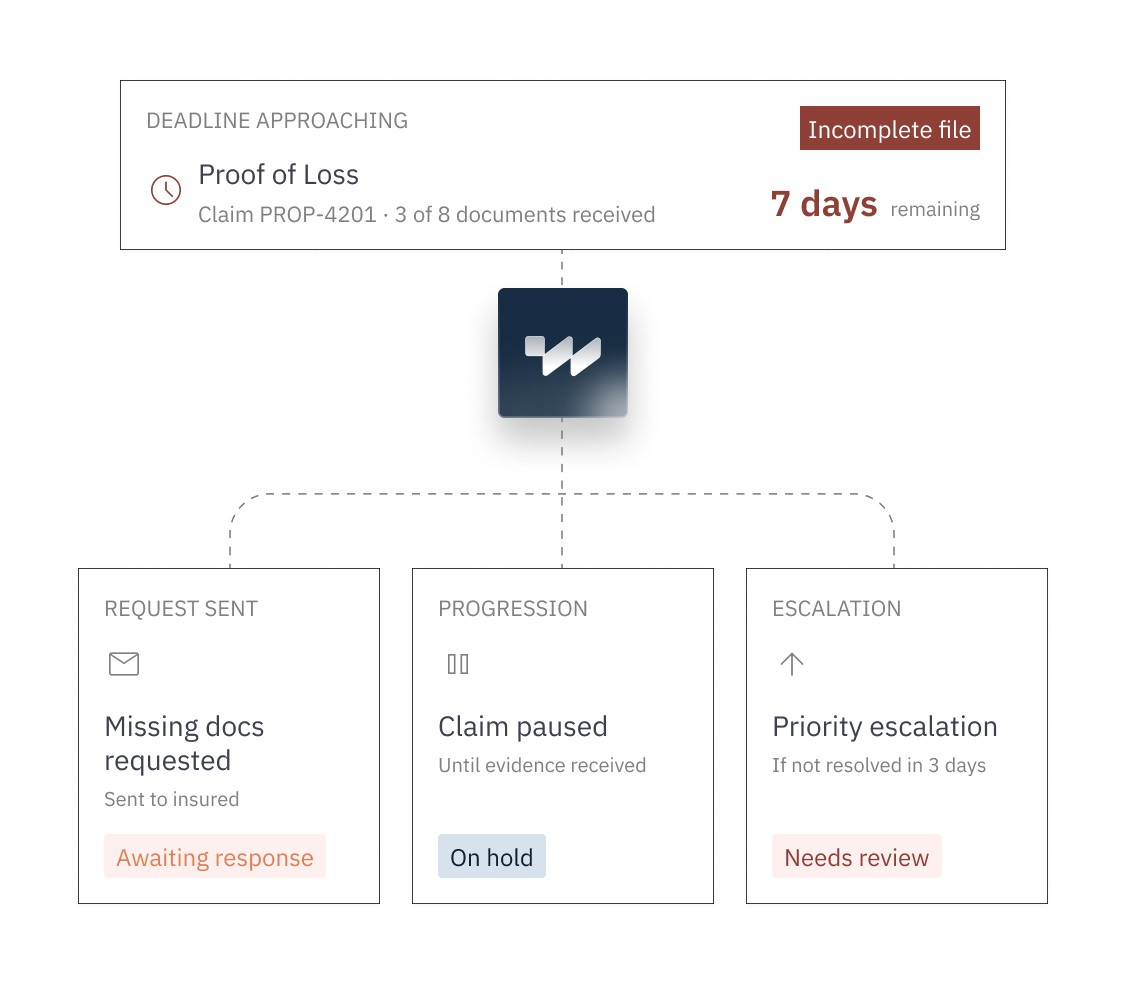
Deadline Approaching with Incomplete File
Request sent to responsible party for missing documents (applies to statute of limitations, discovery deadlines, coverage determination windows)
Follow-up reminder scheduled if not received within 7 days
Claim progression paused until critical evidence is provided
If deadline approaching → priority escalation with countdown
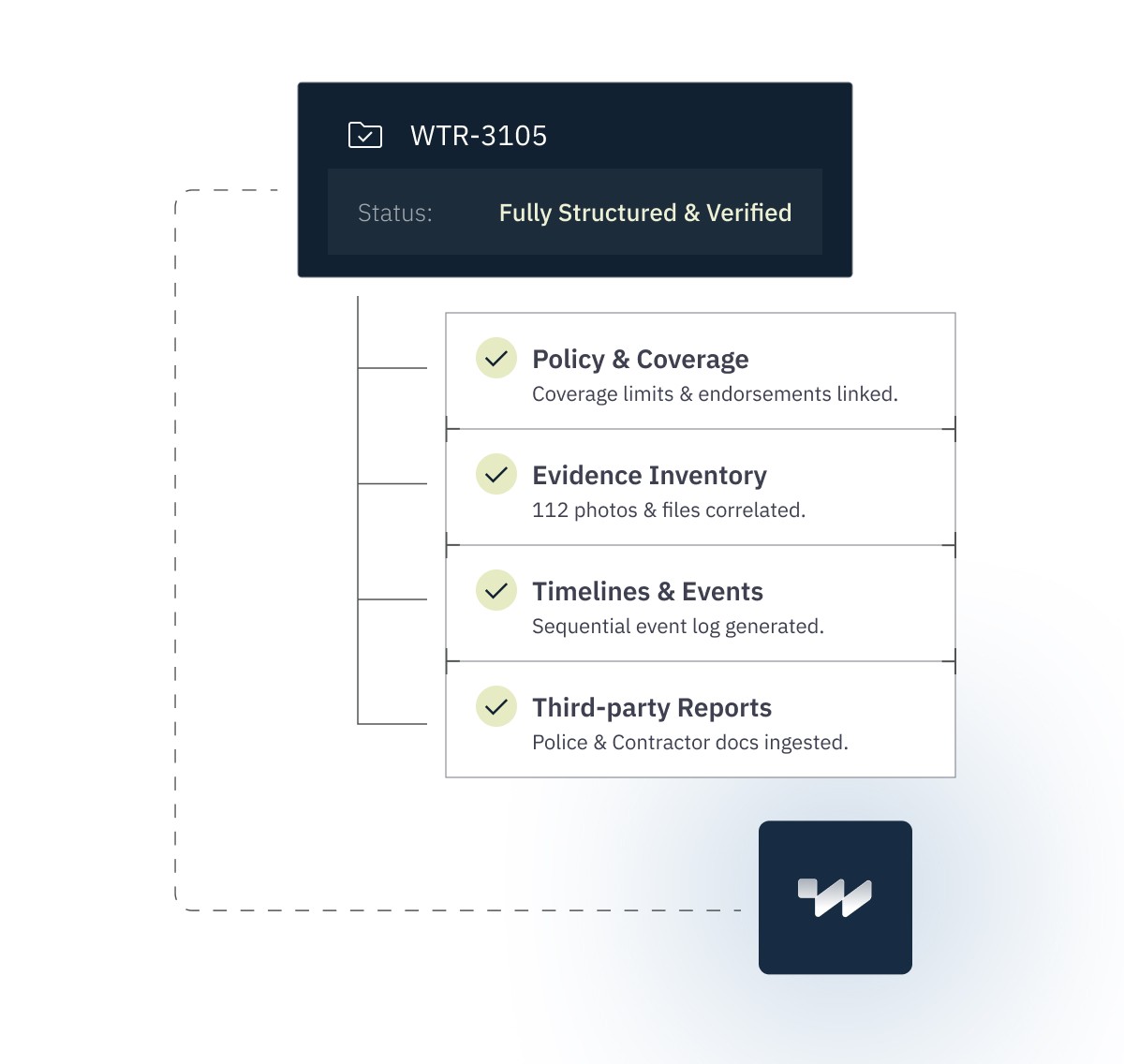
Example Claim Orchestration
Powered by Wamy Engines


Where Orchestration Delivers the Most Value
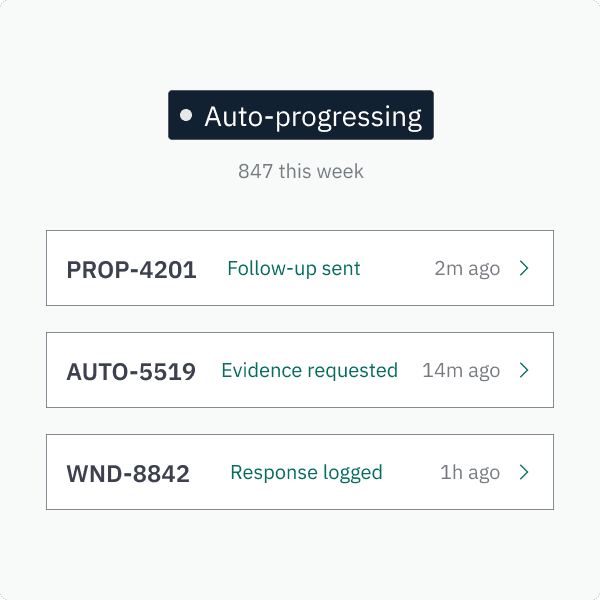
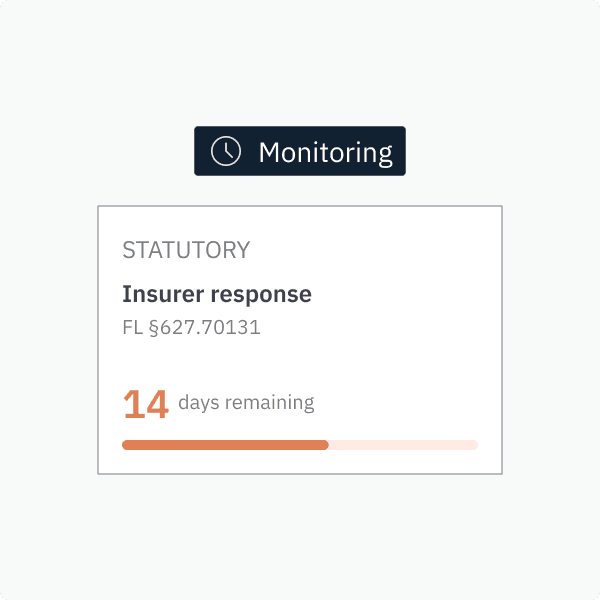
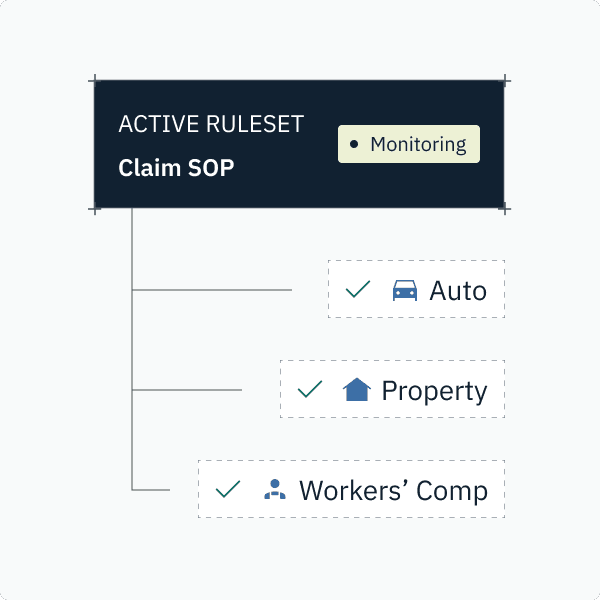
Turn Insight into Action
Wamy ensures every claim moves forward with structured next steps, tracked deadlines, and full visibility — so nothing is missed and no deadline passes unnoticed.